
Repossessed Cars for Sale – Repo Car Auctions – Bank Repo Car Sales
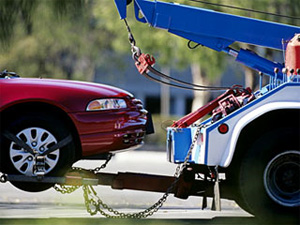 How and where to buy repo cars at bargain prices. What is a repo car?
When a car owner fails to make on-time loan or lease payments, the bank or finance company will repossess the vehicle — take it back — “repo” it.
Typically, the buyer will be given a chance to catch up on payments or be made a payoff offer to recover the vehicle. If the buyer does not or can not get the vehicle back, the bank or lending institution takes it over and will sell it to recover some or all of the loan balance.
Repossessed cars— sometimes called “bank repo” or “returned” cars— are not the same as seized cars, impound cars, or unclaimed cars typically sold by police or government agencies. Repossessed cars belong to banks, credit unions, and finance companies.
When a buyer’s vehicle is to be repossessed, the bank may send a “recovery” and towing service out to pick it up, often without the buyer’s knowledge. However, a buyer can also voluntarily return his vehicle to the bank or finance company. The buyer may have suffered unfortunate financial difficulties, had a divorce, or otherwise could not afford the car.
Where to find repo cars for sale
Some smaller banks or credit unions may display their repo cars in their own parking lots, with “for sale” signs in the window. These cars can be easily spotted when driving by the institution. Get details and prices inside from a customer service representative or loan officer.
Most banks and finance companies hand over repo cars to a professional auto auction company. When the auction company sells the car, the bank gets the money, less a commission. Auctions can be public, private, or dealer-only auctions. Repossessed car auctions are sometimes mistakenly called “car foreclosure auctions.”
When a bank or loan company sells repossessed cars, it wants to recover enough money to pay off the existing loan balance, plus any expenses for towing and storage and the fees of the professional repo company who picked up the vehicle. However, in many cases, the bank loses money.
In tough economic times, repossessions become more common. Automobile repossessions and returns (voluntary repossessions) happen in large numbers.
How do I find repo vehicle auctions?
There are number of ways to find repossessed car auctions, sometimes called “bank auctions.”
One way is to simply calls banks and credit unions in your area and ask how and where they sell their repossessed vehicles. If they sell through an auction company, they can give you information to locate the company so that you can ask about auction locations, schedules, and rules.
Also find auto auction companies with an online search or in your telephone yellow pages. Call them to determine if they handle repo vehicles for banks and loan companies. Some do and some do not.
Another way is to call local newspapers and ask when they publish car auction announcements. There is usually one one newspaper in an area that prints auction announcements on a specific schedule, say, on the third Friday every month, as an example.
What to pay for repo cars?
Bargain prices are very possible for repo cars, but not always. Banks are willing to take losses on the sale of returned or repossessed cars but they prefer not to do so, if possible.
In cases where the borrower was not upside down on his loan, the bank may seek to only recover what was owed, which could be much less than the car is actually worth — a real bargain. This could happen if the borrower had purchased his car with a large down payment or high-value trade-in. These are the deals to look for.
In other cases, which is more common, the borrower was upside down on his loan, which means he owed more than the car is worth. Obviously, the bank would like to recover the entire amount owed, but will usually price the car at fair market value if it’s selling the vehicles from its parking lot. However, if selling at auction, they will accept the selling price, whatever that may be. Either way, the bank will usually incur a loss.
If you attend a repo car auction, makes sure you know the value of the cars you bid on. Take a couple of used-car price books with you. Don’t overpay by getting caught up in the excitement of bidding.
What kind of cars at repo car auctions?
There are generally three kinds of cars at repossessed vehicle auctions.
Almost-new cars in new-perfect condition and with low mileage. The borrower may have just lost his job, suffered a divorce, or otherwise realized he couldn’t afford the car. Bargains can be found on vehicles on which the borrower had made a large down payment, took advantage of rebates, or traded another vehicle.
Late model cars in average condition and average miles. The borrower may have had serious financial troubles, or a bankruptcy, that made it impossible to keep her car. Many of these vehicles are available for less than market value, especially if the loan was near being paid off.
Older model cars in poor condition and high mileage. The borrower may have been financially challenged when he bought the car and things became worse, which caused multiple missed payments – which resulted in a repossession. Some of these cars may have hidden problems, which might be part of the reason for the borrower’s default. Such vehicles should be inspected by a mechanic, if possible, before purchase.
How to get bargain prices on repo cars
If you find a bank selling it’s own repossessed cars, determine the actual value of the car you’re interested in by consulting Kelley Blue Book (www.kbb.com) and NADA Guides (www.nadaguides.com) or a used-car value book.
If the bank’s price is higher than the “book value”, negotiate with them to lower the price. If the price is already lower, you’ve possibly found a good deal.
If you attend a repo car auction, go early and inspect the cars you might be interested in. You can usually look over the cars and even start them up, but you won’t be able to drive them. Get a Carfax or AutoCheck vehicle history report to make sure you aren’t getting a car that has been wrecked or rebuilt, or that has a salvage title.
Take your used-car price guide books (or your Internet-connected phone or tablet) with you so that you’ll know what the cars are worth. Bid wisely and follow auction rules.
Protect yourself
When you buy a repossessed car, you take a chance that it might have unknown problems that don’t show themselves immediately. Consider buying a relatively inexpensive used-car warranty from a company such as Endurance Auto Warranty to protect yourself from surprise problems. Get a free quote to see how much it will cost.
Summary
It’s possible to get some great bargains at repo car auctions by taking advantage of other people’s misfortune. Know how to judge repo auction cars by looking them over, since you won’t be allowed to drive them. Be prepared to pay for your winnings, or be able to show approved financing.
You can get pre-approved financing from online auto loan companies such as Auto Credit Express . Once you know how much you can borrow, you’ll know your auction bid limits.
