
Lease a Truck – Pros and Cons
Should you lease your new truck — or buy? Why?
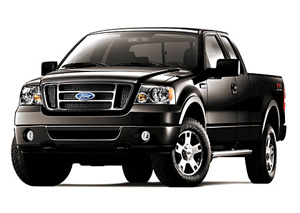 Trucks are leased for both personal use and commercial (business) use. There are significant differences in how each type of lease works.
One of the advantages of truck leasing is that trucks generally have high future resale values. This translates to higher lease-end residual values, which in turn translates to lower monthly lease payments.
Personal truck leasing
If you need a new pickup truck with low monthly payments, a closed-end personal lease will be the answer, not an open-end lease.
To lease a truck for personal use is no different than leasing a car, minivan, or SUV. A lease offers lower monthly payments than buying with a loan, and may not require a down payment. There are also savings on sales tax in most states. Therefore, leasing may cost you less to get into a new truck, and can save you on monthly costs as well.
However, before making a decision about whether to lease or buy, understand that leasing is best for people who drive no more than about 10,000 – 15,000 miles per year, like to have a new truck every 3-4 years, take good care of their vehicles, don’t care about building ownership equity, and have a stable lifestyle such that they won’t need to end the lease early.
Ending a lease early can be very expensive. It’s more than simply paying termination fees. It means paying the balance of the lease, considering the wholesale auction value of the truck. In most cases, ending a lease early is very impractical. Therefore, if you think you might not be able to complete a lease, then don’t lease.
If you plan on using your truck for heavy duty or rough utility purposes, such that the body and bed might be damaged or badly scratched, you might not want to lease. The reason is you may have to pay for those damages at lease-end when you return your truck to the lease company. Any damages beyond “normal” wear and tear can result in charges to you. Of course, you could get the repairs done yourself prior to returning your leased truck. Or, if you decide to purchase at lease-end, the damages won’t matter.
As previously mentioned, relatively new pickup trucks typically have high lease residual values — assuming they are well maintained and cared for. In general, trucks are build to be more rugged than the typical passenger vehicle. The Ford F-150 is an example of a truck that maintains good residual value and makes a good lease vehicle. Our Lease Kit contains a full list of average car and truck residual values and lease ratings.
You can expect lease payments on your truck to be approximately 30%-60% less than comparable loan payments for the same vehicle, same terms. If you watch for manufacturer-sponsored lease deals, you can get even better terms.

Since price is the most important factor in a lease deal, look for rebates and dealer discounts. We recommend getting dealer price quotes, which will include any available rebates and discounts, from our own Car Deal Finder. It is best to get multiple quotes so that you have plenty of prices to compare and choose from.
When you find a lease deal that you think you like, check it out on our handy Lease Deal Calculator. Find out if it’s really the great deal that it seems to be.
If you need to understand more about how truck leasing works and how not to make mistakes, see our Lease Guide.
Business and Commercial Truck Leasing
Truck leasing for commercial or business use is different than personal vehicle leasing.
First, the type of lease used for commercial business truck leasing is different. Most business vehicle leases are “open-end” leases, while personal leases are “closed-end.”
Open-end leases have flexible lease-end residuals and are less structured to allow a company to use the vehicle as they need to, and pay for that use at lease-end. Monthly payments are higher than for personal leases and lease-end cost risk is higher. However, these costs are tax deductible if the vehicle is used for business purposes.
Commercial truck and van leases are available from companies who specialize in fleet leasing, commercial equipment leasing, and commercial rentals, although many new-car dealers also provide commercial lease vehicles.
Commercial truck leasing offers a number of advantages over outright purchases or financed ownership:
- No up-front investment and lower monthly expenses. Operating funds and capital are preserved for more useful purposes.
- Predictable expenses when the lease plan includes fixed monthly payments, maintenance, and service.
- Lease terms can be extremely flexible to suit a business’s unique needs — short-term leases, seasonal leases, fleet fill-in, daily rentals, large variety of vehicle types, flexible payments, and lease-end buyback programs.
- Most commercial truck leases are operating leases and considered off-balance-sheet financing. Leased trucks do not show up on the company balance sheet as an asset and will not affect financial ratios, making it easier to keep credit options open.
- Truck lease payments are tax deductible and reduce AMT (Alternative Minimum Tax ) liability.
Truck leasing companies exist all over the U.S. and Canada. Companies such as Penske, Ryder, PacLease, NationaLease, Merchants Leasing, and many others are examples. Search online or look in your local telephone yellow pages for truck lease companies in your area. Also ask your local new-car dealers.
Summary
Personal truck leasing is usually done with a closed-end lease, that has low payments, a fixed lease-end residual value, places loss-of-value risk on the lessor, has little tax benefit (sales tax only) and otherwise works exactly like a car or SUV lease. Having a personal lease for a vehicle that will be used for business purposes is not recommended.
A business truck lease is an open-end lease that preserves capital, is very flexible, has higher payments, has tax benefits (when used for business purposes), and places loss-of-value risk on the lessee.